Pressing, Drying, or Softening: Three Ways to Preserve Wildflowers and Leaves
Bringing home a sprig of a roadside wildflower or a perfectly veined leaf invites a quiet question: how best to preserve it? The material you choose and the process you follow shape not only the look of the final specimen but the time, tools, and outcomes you can expect. Below is a practical comparison of three common approaches—pressing, silica drying, and glycerin softening—followed by guidance to help you choose between them.
Method 1: Traditional Pressing
What it is
Pressing flattens plant material between absorbent papers under weight, allowing moisture to escape slowly and the specimen to dry flat. It is the long-standing technique of botanists and hobbyists alike.
Materials and basic steps
- Materials: blotting paper or plain paper, cardboard, heavy books or a plant press, absorbent paper layers.
- Steps: arrange specimen on paper, cover with another sheet, stack cardboard and repeat; apply even pressure and change papers if they become damp; leave for one to several weeks until dry.
Typical outcomes and trade-offs
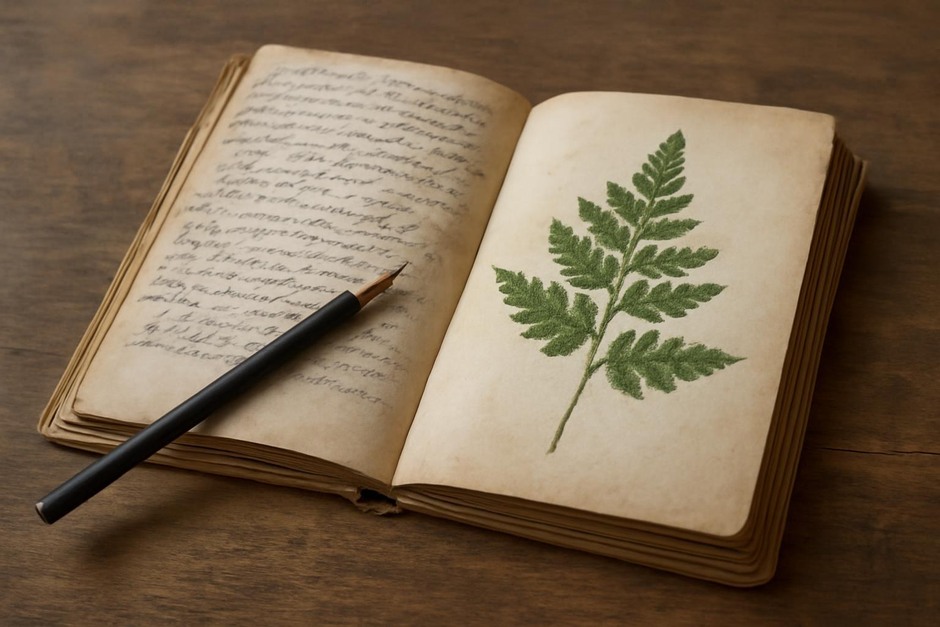
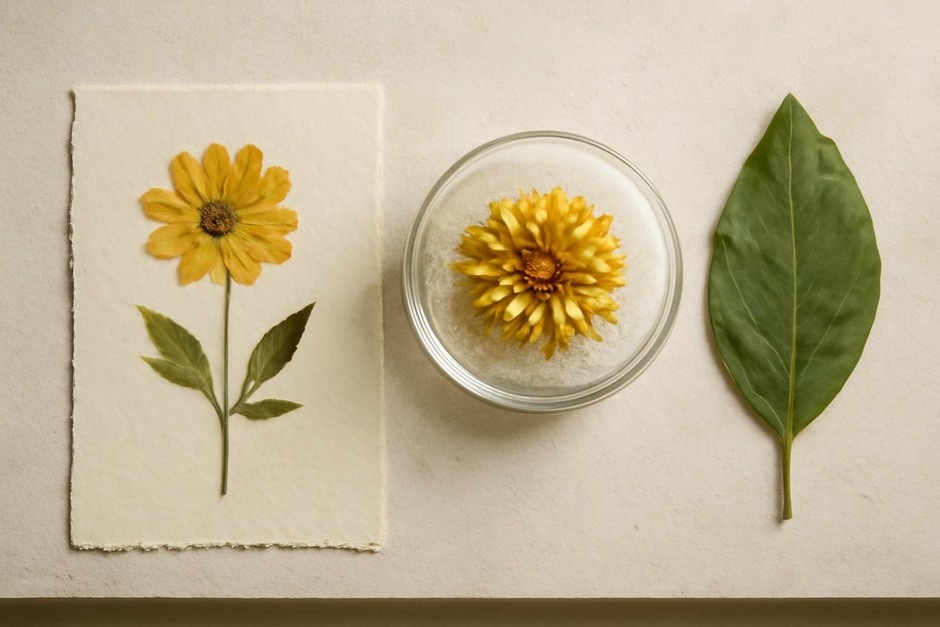
- Look: crisp, two-dimensional specimens ideal for albums, framed displays, and annotations.
- Strengths: inexpensive, reliable, low-tech; good for leaves and many thin-flowered species.
- Limitations: flattens three-dimensional forms, may dull bright colors (especially reds and purples), and requires time and occasional paper changes.
Method 2: Silica Drying
What it is
Silica drying uses a granular desiccant to remove moisture quickly while preserving more of the plant’s volume and color. It is commonly used for delicate blooms and specimens whose shape you want to maintain.
Materials and basic steps
- Materials: silica gel (granular), airtight container, small sieve or cardboard divider.
- Steps: layer silica in a container, nestle florets or leaves into the gel, cover with more gel so they are surrounded, seal the container and leave for several days to a week; gently brush off remaining granules.
Typical outcomes and trade-offs
- Look: specimens retain three-dimensional form and often preserve brighter colors.
- Strengths: faster drying, good for full blooms and fragile petals, preserves shape.
- Limitations: cost of silica, need for airtight containers, occasional residual granules; not ideal for very large or thick plant material.
Method 3: Glycerin Softening
What it is
Glycerin treatment replaces water in plant tissues with glycerin, producing supple, long-lasting specimens. This method keeps leaves flexible and can maintain a richer surface texture.
Materials and basic steps
- Materials: glycerin, water, shallow tray or vase, weights or clips to keep stems submerged.
- Steps: mix one part glycerin to two parts warm water, submerge stems or leaves, allow absorption for days to weeks; remove and pat dry when desired suppleness is achieved.
Typical outcomes and trade-offs
- Look: preserved three-dimensional, flexible specimens with a slightly translucent, often deeper-toned appearance.
- Strengths: good for foliage and structural elements used in arrangements; results are long-lasting and tactile.
- Limitations: treated pieces are not archival for scientific annotation, can feel slightly oily, and the solution requires handling and disposal care.
How to Choose Between These Approaches
Consider four practical questions when deciding which method to use.
- What is your goal for the specimen? For flat display, labeling, or a nature journal, pressing is the simplest and most archival. For keeping volume and the sense of a bloom, silica better preserves three-dimensional form. For flexible leaves used in decorative arrangements, glycerin gives a tactile longevity.
- How quickly do you need results? Silica typically dries fastest. Pressing is patient work—plan for weeks if you want crisp results. Glycerin requires days to weeks of soaking, depending on thickness.
- What species are you working with? Thick, fleshy leaves and woody stems respond poorly to pressing; they are good candidates for glycerin. Very delicate petals and full-headed blooms benefit from silica. Flat or thin leaves press exceptionally well.
- How will you display or use the piece? If you intend to annotate, press. If you want to use the specimen in three-dimensional craft, choose silica or glycerin depending on whether you want rigidity (silica) or flexibility (glycerin).
Finally, consider time, space, and comfort with materials. Pressing needs little equipment and tidy shelving space; silica drying requires containers and desiccant storage; glycerin needs a container for soaking and attention to solution disposal. Each method offers a different set of textures and possibilities—what matters most is matching the technique to the quiet purpose you have in mind.
Whichever approach you choose, make a small experiment with a few specimens. A single afternoon of practice will quickly reveal how each method interprets the plant’s color, form, and character—and how those qualities fit into your practice of observation, collecting, and display.