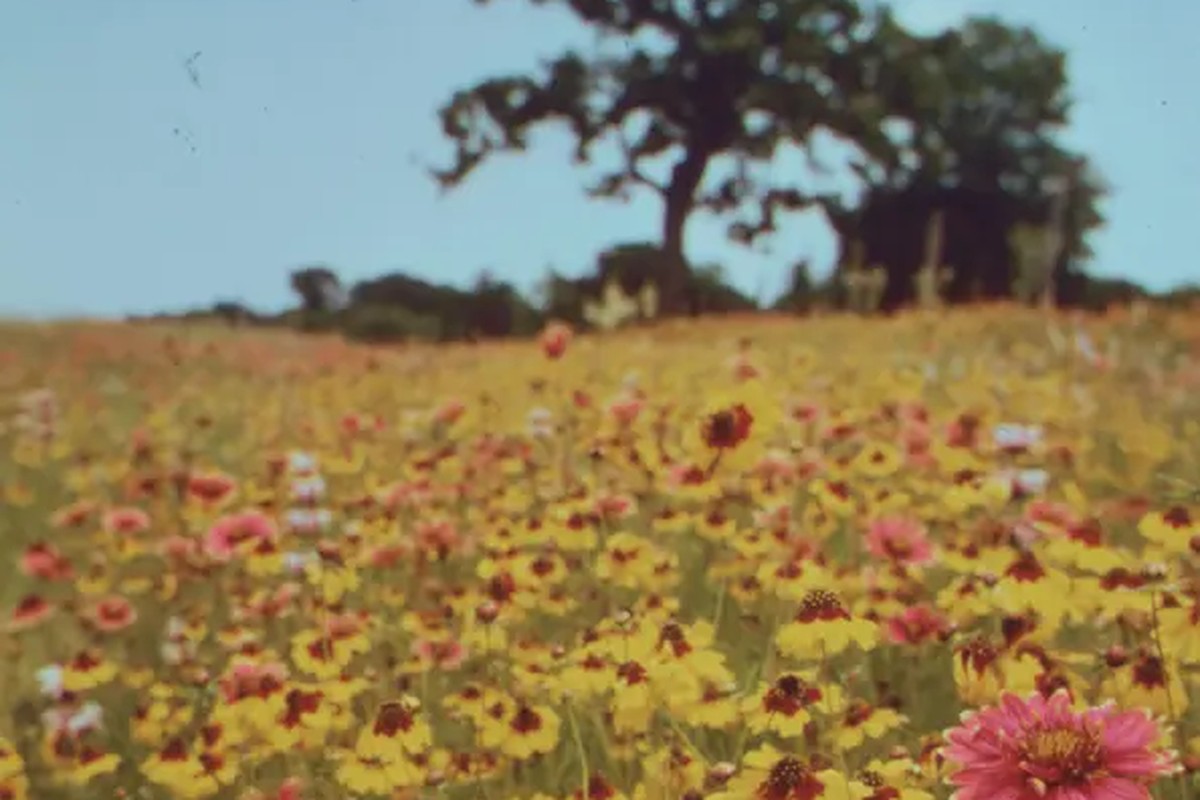
The Small Joy of a Wildflower Walk
A wildflower walk asks very little of you. There is no need to identify every plant or cover a particular distance. The pleasure comes from noticing how an ordinary path changes from week to week: a new colour in the verge, taller grasses moving in the wind, seed heads replacing blossoms, or a patch of flowers that was not there last time.
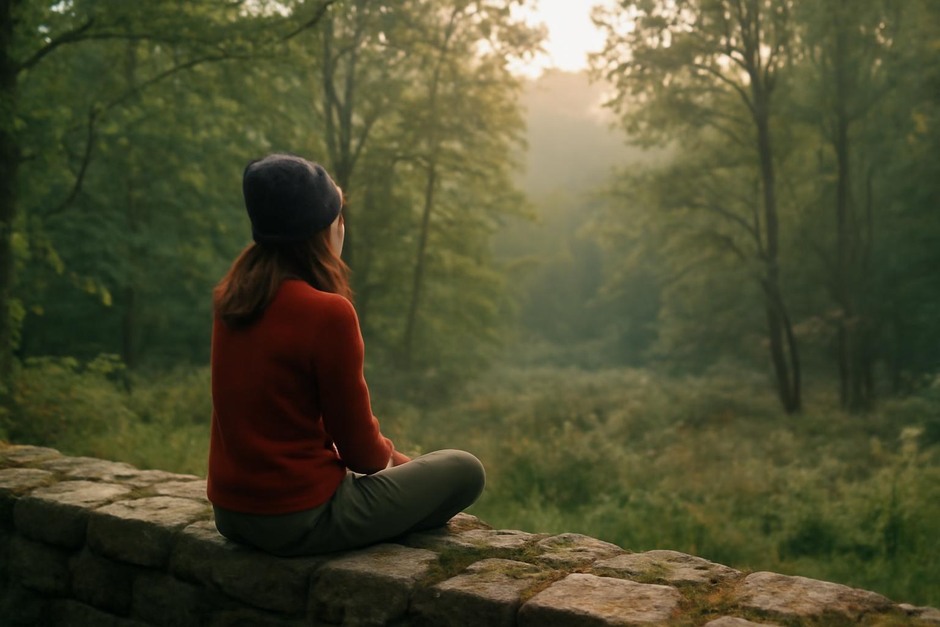
Because the details are small, the walk naturally rewards a slower pace. You begin to scan the ground and edges rather than only the horizon. A meadow stops looking like one green surface and becomes a collection of small neighbourhoods.
Look for patterns before names
Plant identification can be satisfying, but it is not necessary for paying attention. Start with shape, colour, height and repetition. Are the flowers scattered individually or gathered in dense patches? Do several species occupy the same sunny area? Which plants are growing close to damp ground, stone walls, or shaded edges?
These observations reveal structure even when you do not know the species. They also make later identification easier because you remember the setting as well as the flower.
Wildflowers often thrive where different environments meet: the edge of a field, a roadside bank, or the boundary between woodland and open ground. These transition zones can hold more variety than the centre of a neatly managed space. They are good places to notice relationships too. Flowers attract insects; tall stems provide perches; seed heads feed birds later in the year.
Return to the same route
One of the easiest ways to understand seasonality is to repeat a familiar walk. A path visited every two or three weeks can change dramatically. Early flowers disappear, grasses rise, insects become more visible, and late-summer seed heads begin to dominate. Familiarity makes change easier to see.
Photographs can help, but they work best as occasional markers rather than the whole purpose of the outing. Taking one picture from the same point each visit creates a simple visual record of the season without turning the walk into a photo assignment.
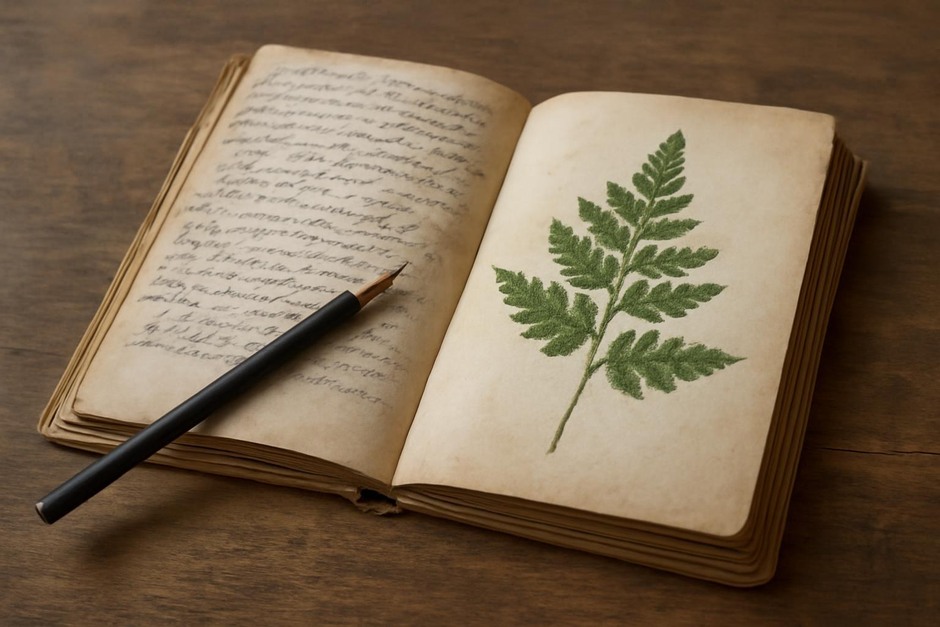
A pocket notebook is useful if you enjoy recording observations, but it can be as simple as three lines: what was flowering, what had changed, and what you want to look for next time. A field guide or identification app can wait until after the walk if you prefer to remain present outdoors.
The value of the habit is its scale. A wildflower walk can fit into an hour, a lunch break, or a short countryside stop. Over time, it gives you a more detailed sense of place—not through dramatic landmarks, but through dozens of modest changes that are easy to miss at normal walking speed.