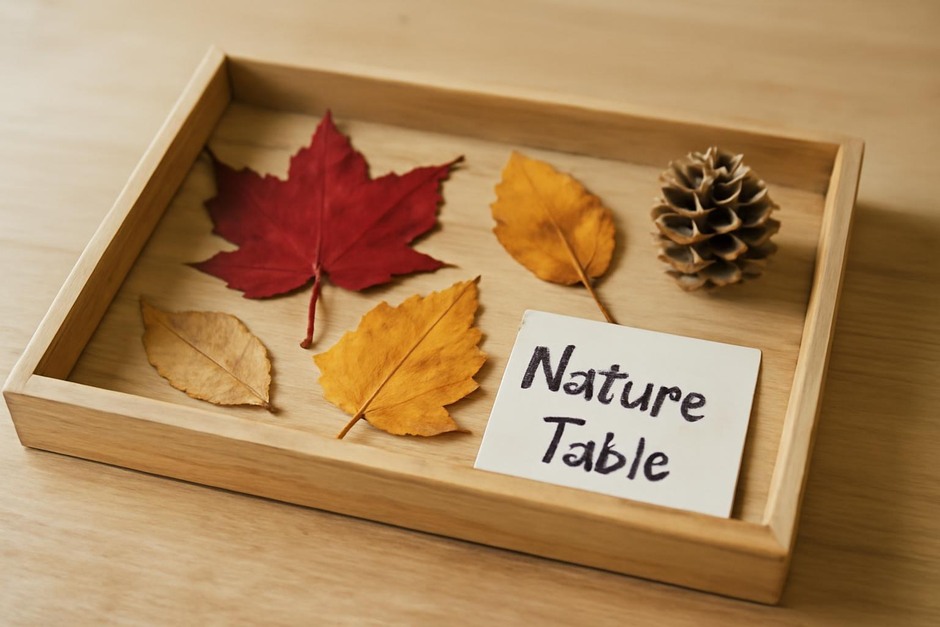
How to Make a Seasonal Nature Table: A Step-by-Step Method for Quiet Observation
Why a nature table?
A nature table is a modest, rotating display of found things: leaves, stones, seedpods, feathers, or small fossils. It’s a compositional instrument for attentive looking. Kept in a consistent place, it invites repeated visits and teaches you to notice subtle changes—the softening of a leaf edge, a new insect arrival, the slow drying of a blossom. Below is a step-by-step method to start one with minimal tools and mindful habits, followed by practical variations and troubleshooting tips.
Step-by-step method
-
Choose a site and a surface.
Select a stable location that you see often: an entry table, a windowsill, or a small shelf. The surface should be flat and easy to tidy. Keep the footprint modest—one tray or a shallow box (18″ x 12″ or smaller) works well to contain items and keep the display intentional.
-
Gather simple materials.
Bring a small field kit: a soft cloth bag for carrying finds, a folded paper for delicate items, a pair of pruning shears for collecting detached plant material, and a small notebook or index cards for notes. Also keep a jar with water for temporary stems and a magnifying lens for close inspection.
-
Collect with care.
Collect items that are already detached or abundant. Avoid taking from rare plants, disturbing nests, or removing more than a small portion of any living organism. Aim for diversity in texture and form rather than quantity: one leaf, a seedhead, a stone, and a twig often create a more interesting display than many similar items.
-
Compose deliberately.
Arrange items thoughtfully. Place heavier, grounding pieces near the back or center and lighter, ephemeral pieces in front. Consider balance, negative space, and how items cast shadow through the day. A small label with date and location adds context and becomes part of the observation practice.
-
Note and name.
Record at least one observation each time you change the table: a single sentence about how an item smells, how a leaf’s color has shifted, or which insects visited. Use index cards, a pocket notebook, or a digital note—consistency matters more than length. Date each entry and, when known, add the species or common name.
-
Rotate regularly.
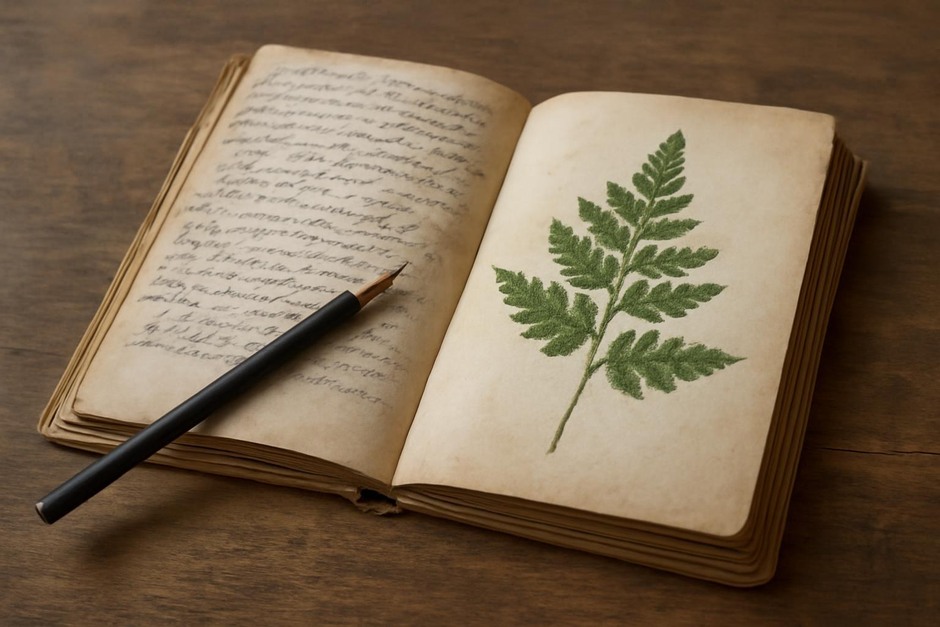
Set a rhythm: weekly in seasons of rapid change (spring, fall), biweekly or monthly in quieter seasons. Rotation encourages fresh noticing and prevents clutter. When you remove an item, decide whether to archive it in a pressed-plant folder, photograph it, or return it to the place it came from.
-
Keep ethical and practical boundaries.
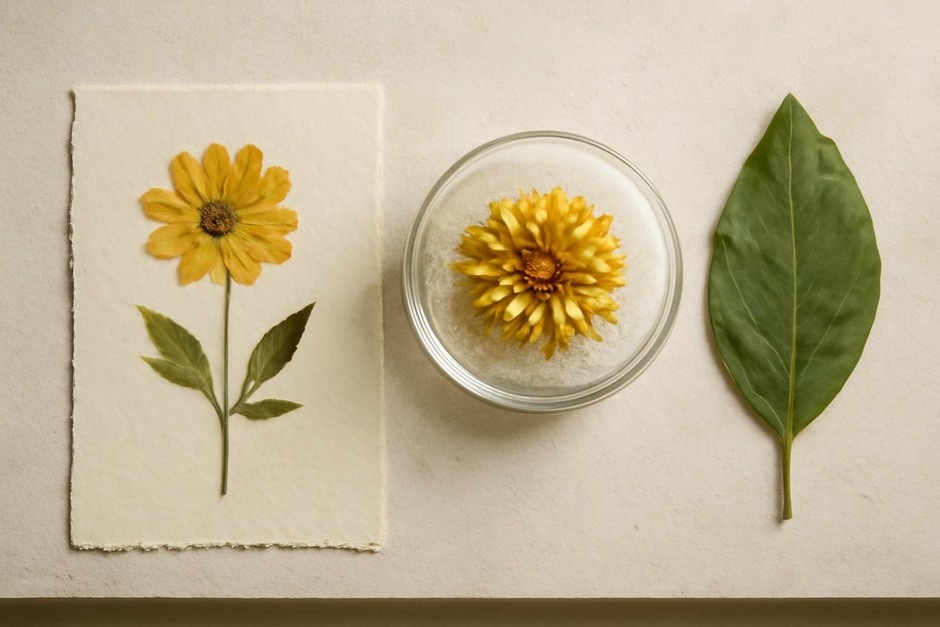
Never collect live animals or disturb nests. If you find delicate or damp specimens, press or dry them before long-term display. For transient beauty—blossoms, mushrooms—prefer a short stay: observe, photograph, and let them return to the earth.
Variations
- Seasonal focus: Change the table’s theme each season—buds and catkins in early spring, seedheads and grasses in late summer, dried leaves and fungi in autumn, stones and lichens in winter.
- Theme-based tables: Create a table around a single concept: textures, shades of green, growth stages of one species, or things that float. This concentrates attention and makes comparisons easier.
- Children’s exploratory table: Make it lower and touch-friendly. Include safe magnifiers, a small jar of water for testing buoyancy, and a simple checklist to tick off discoveries.
- Minimalist display: Use a single specimen on a plain plate or stone to emphasize form and shadow. Rotate more frequently so each item receives a moment of close study.
- Companion nature journal: Pair the table with a sketchbook. Spend five minutes sketching an object before you change it; the act of drawing deepens observation and records ephemeral detail.
Troubleshooting
-
Problem: The table becomes cluttered.
Fix: Adopt a one-in, one-out rule. Limit the number of items to a fixed number (4–6). When you add something, choose one thing to remove or archive.
-
Problem: Finds attract pests or rot.
Fix: Remove damp organic matter promptly. Press flowers and leaves for long-term keeping; dry seedheads on a tray for several days. Store delicate specimens in a closed container if insects appear.
-
Problem: You forget to check it.
Fix: Tie the rotation to an existing habit—change the table on laundry day, a weekly tea ritual, or the night you put out the recycling. Short, consistent attention is more sustainable than long, sporadic effort.
-
Problem: Ethical uncertainty about collecting.
Fix: When in doubt, photograph. Photographing is noninvasive and still trains the eye. When you do collect, take only what’s abundant and avoid protected areas.
-
Problem: The table feels too precious to touch.
Fix: Create two zones: a viewing area and a handling tray. Let one item be the “handle me” specimen each session so tactile curiosity remains part of the practice.
A nature table is at once a small museum and a practice of attention. Kept simply and changed deliberately, it becomes an ongoing conversation with the seasons and a steady way to notice what otherwise slips by.