The Naturalist’s Ledger: Lessons from 19th‑Century Field Notes for Slow Observation Today
Problem: Shallow Notes in a Busy World
Many of us keep notes—photos on our phones, short captions, or quick lists—but those records rarely capture the texture of an encounter. In rapid modern life we risk trading depth for volume: a day’s worth of images with little sense of place, habit, or change over time. The problem is not a lack of tools; it is a lack of form and intention. Historical naturalists show an alternative: compact, disciplined ledgers that make attention a habit rather than an afterthought.
Principles: What the Old Ledgers Teach Us
Across the 18th and 19th centuries, observers from the amateur naturalist to the trained collector developed practices that helped them notice, remember, and return. Their methods are practical and transferable.
- Restrained scope. Naturalists often limited themselves—one region, one family of plants, a handful of species—to avoid shallow, scattered notes. Constraint turns a broad world into a manageable study.
- Regular cadence. Notes were taken daily or at a steady rhythm, not only when something dramatic happened. This cadence reveals patterns and seasons.
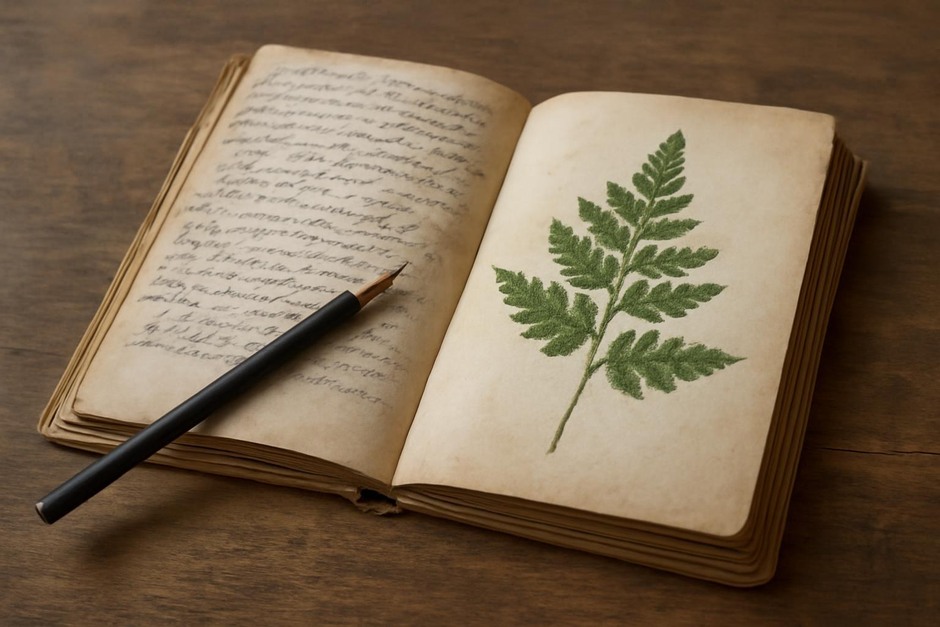
- Combining forms. Text, simple sketches, measurements, and pressed specimens lived together on the same page. Multiple modes enrich memory in ways a single photograph rarely does.
- Minimal taxonomy for clarity. Early observers used standardized columns—date, weather, location, behavior—so that entries could be compared across days and years.
- Portable habits over perfection. Ledgers favored legibility and usable detail over finished art. The object was reliable information and a prompt for future reflection.
Examples: Applying Historical Techniques Today
These are small, practical adaptations you can try that follow the ledger tradition without requiring field excursions or scientific training.
1. The Three‑Column Page
Divide a notebook page into three vertical columns: Date & Place, Observation (brief notes and sketches), and Question or Comparison. Use it for a week of walks. The structure encourages consistency and leaves space for curiosity.
2. The Seasonal Index
Keep an index at the back of your ledger with a line for each species or recurring object. Each time you observe it, add a short mark or date. Over months this index becomes a simple phenology map—when things appear, change, or vanish.
3. The Press and Note Combo
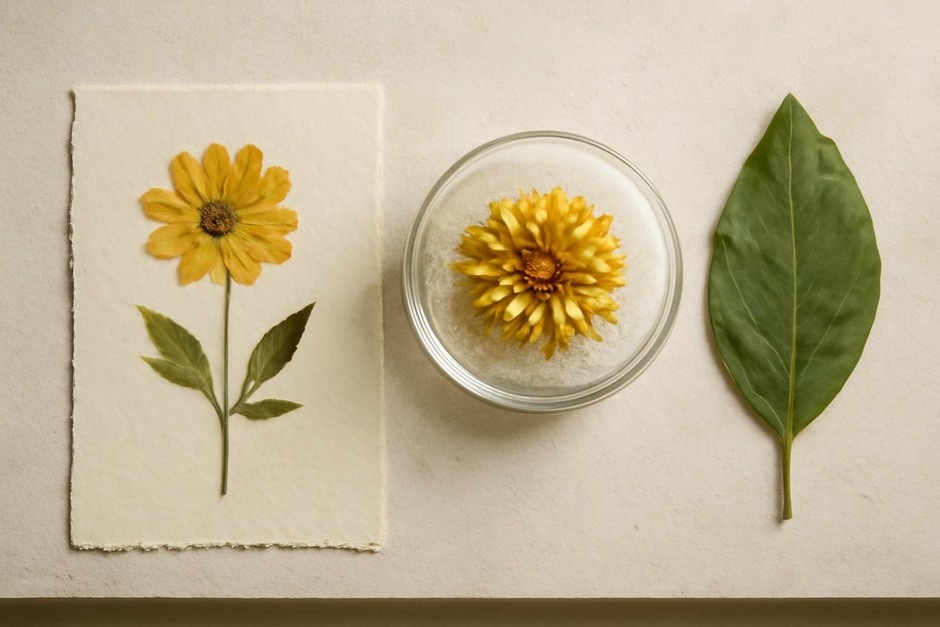
If a small flower or leaf is dry and common where you live, press a specimen between pages and write measurements and the context directly beside it: sun exposure, soil, insects present. This anchors an entry physically and verbally.
4. The Five‑Minute Sketch
Set a timer for five minutes. Make a single, honest sketch and two short sentences about the mood or motion. The constraint frees you from perfection and trains seeing quickly and well.
Practice Checklist: A Simple Ledger Routine
Use this checklist as a minimal daily or weekly protocol. Adopt one item at a time until the habit fits your life.
- Choose a small, durable notebook you like to touch.
- Set a scope: one place (garden, local park), one taxon (birds, shrubs), or one practice (sketches, measurements).
- Create a page template: Date & Place | Observation & Sketch | Question/Note.
- Commit to a short cadence: 5 minutes daily or 30 minutes twice a week.
- Use at least two modes per entry (sentence + sketch, note + pressed specimen, measurement + weather).
- Keep an index or simple ledger at the back for repeat sightings or seasonal notes.
- Review one month of pages at a time and note one simple pattern or question to follow next month.
Adopting the naturalist’s ledger is less about owning a particular tool and more about cultivating a rhythm of attention. The 19th‑century habit of modest, repeatable records suits contemporary life precisely because it doesn’t ask for grand gestures—simply a small notebook, steady curiosity, and a willingness to return.