A Slow Morning at the Sculpture Gallery
There is a particular pleasure in arriving at a gallery before the day has fully gathered speed. The rooms are quieter, footsteps carry a little farther, and familiar materials—wood, stone, bronze and glass—seem to have more space around them. A slow gallery visit is less about seeing everything than about noticing what happens when you stop trying to cover ground.
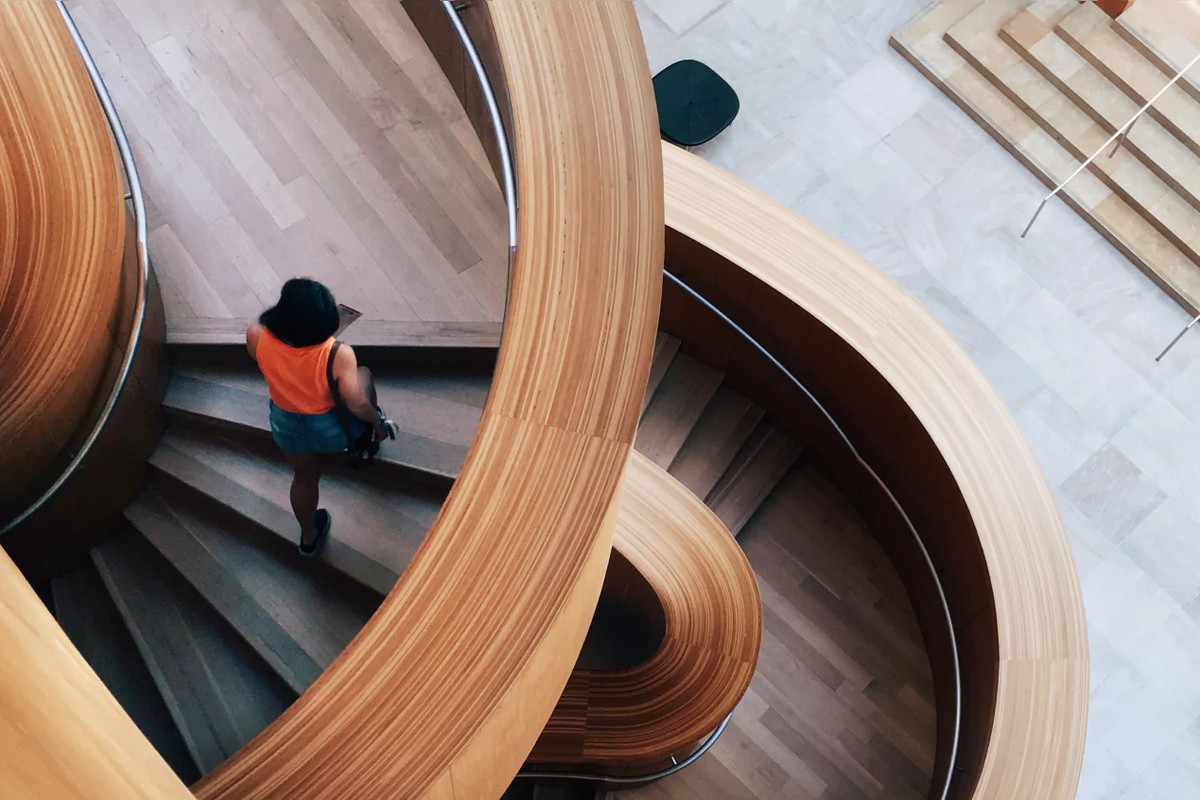
That shift in pace changes the experience immediately. Instead of moving from label to label, you begin to notice how the building itself participates in the exhibition: the curve of a staircase, the height of a ceiling, the way a bench is placed, or how daylight moves across a wall. Architecture becomes part of the story rather than a neutral container for objects.
Start with the room, not the label
When entering a new gallery, spend a minute looking at the whole room before reading anything. Which piece catches your eye first? Is it because of scale, colour, position, or the amount of empty space around it? This simple habit gives you a first impression that belongs to you before explanatory text begins to shape the visit.
Labels are still useful, especially when they explain materials, dates, or context. Reading them after looking can make the information feel more connected to something you have already observed. The process becomes a conversation between seeing and learning rather than a sequence of facts.
Choose fewer works
A large museum can encourage a strange kind of urgency. There is always another room and another floor. One way to resist that pressure is to choose three or four works that you genuinely want to spend time with. Look from different distances. Notice edges, joins, surface marks and shadows. If a sculpture is freestanding, walk around it slowly.
Ten attentive minutes with one object often leaves a stronger memory than an hour spent moving quickly past dozens. You may remember the cool colour of a stone, an unexpected tool mark, or the way a piece changed when viewed from the side. Those details become personal anchors for the visit.
Pay attention to movement
Galleries are also places to observe how people move through designed space. Curved rails, staircases, ramps, thresholds and sightlines quietly direct the body. A well-designed interior can make the act of walking feel almost choreographed. You may be drawn upward by a staircase, pulled toward a bright opening, or slowed by a narrow passage.
Before leaving, sit somewhere for a few minutes without checking your phone. Think about one thing you would describe to a friend later. It might not be the most famous work in the building. It could be a shadow, a doorway, or an unexpected view between two rooms. That is often the real reward of a slow visit: not collecting highlights, but leaving with a sharper memory of a place.