Why a Typewriter Can Change the Way You Draft
A typewriter is inefficient by modern standards, which is exactly why some writers still enjoy using one. There is no browser tab waiting nearby, no silent autocorrect, and no easy way to reshape a sentence forever before moving on. The machine turns drafting into a more physical act: press a key, make a mark, continue.
This does not make a typewriter better than a laptop. It simply creates a different set of constraints, and constraints can be useful when a first draft has become too cautious.
Editing becomes visibly separate
On a computer, drafting and editing can happen almost simultaneously. You write a sentence, reconsider a word, move a paragraph and polish punctuation before the idea has fully developed. A typewriter makes that kind of revision inconvenient. You can cross something out or add a note, but major restructuring usually has to wait.
That delay encourages momentum. The page becomes a record of thought in sequence, including mistakes. When you later retype the draft into a computer, the second pass naturally becomes an editing stage instead of a continuation of the first one.
The machine gives writing a rhythm
Mechanical keys have weight, travel and sound. Each line ends with a physical return. These details can give writing a noticeable rhythm, especially for short pieces, letters, journal entries, poems, or scene sketches. Because the machine asks for firmer keystrokes, it also slows many people slightly.
That can create a useful middle ground between handwriting and fast digital typing: quick enough to keep ideas moving, but slow enough that words feel deliberate. The lack of notifications is less important than the fact that the machine has only one obvious purpose.
Imperfection becomes part of the page
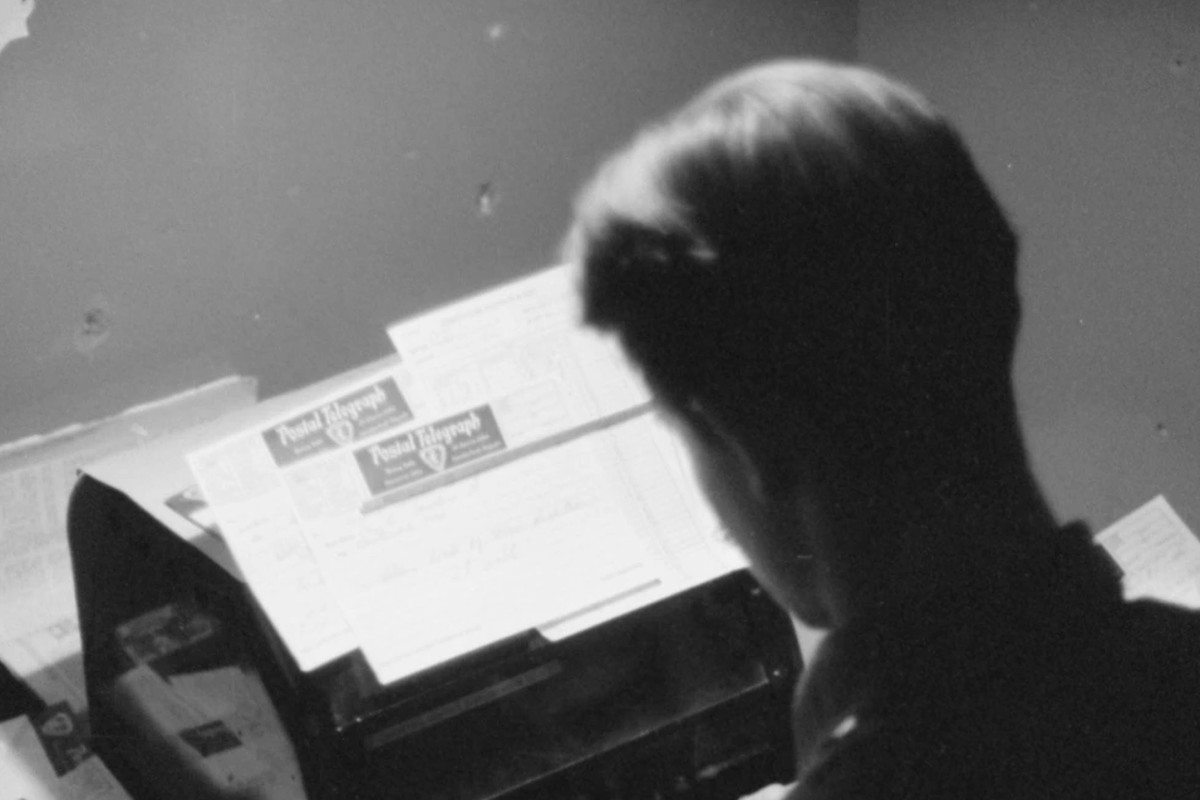
Typed pages accumulate uneven letters, crossed-out phrases and margins that are not perfectly clean. Instead of looking unfinished, those marks can make a draft feel alive. They show where the writer hesitated, changed direction, or pressed harder. For creative hobbies, this material quality can be appealing in its own right.
A typewriter is poorly suited to research-heavy writing, complex documents, or anything that requires constant rearrangement. It is most enjoyable when the goal is to produce raw material: a first page, a morning note, a scene, a list of ideas, or a letter.
The machine is valuable not because it recreates an earlier era, but because it changes your relationship with revision. It asks you to accept an imperfect line and keep moving. Sometimes that is exactly what a stalled draft needs.