How to Build a Reading Ritual That Actually Sticks
Reading more rarely begins with finding a perfect book list. It usually begins with making reading easier to start. A comfortable chair, a predictable time and a book left within reach can matter more than ambitious goals. The most durable reading rituals are small enough to survive busy days.
The useful question is not “How many books should I finish?” but “What would make opening a book feel natural here?” That turns reading from a project into part of the room and part of the day.
Give reading a physical home
A reading place does not need to be elaborate. It can be one end of a sofa, a kitchen chair near a window, or a corner of a desk after work is finished. What matters is reducing friction. Keep a lamp nearby, leave the current book visible, and avoid turning the spot into storage for unrelated things.
When the same place is repeatedly used for reading, it begins to carry its own cue. Sitting down there already suggests what comes next. This is one reason a modest but consistent setup often works better than waiting for a long, perfectly quiet evening.
Use a small starting rule
Instead of promising yourself an hour, begin with ten minutes or one chapter. A small threshold makes it easier to start on days when attention is scattered. If the book is absorbing, you will often continue. If not, ten minutes still preserves the habit without making it feel like a failure.
It also helps to separate reading from finishing. Some books are worth abandoning. Others are better read slowly over several weeks. The ritual should support curiosity, not turn every title into an obligation.
Match books to your energy
Keeping two very different books in progress can make reading more flexible. A dense history or long novel may suit a quiet weekend morning, while essays, short stories, travel writing, or photography books can be easier at the end of a tiring day. Choosing according to energy is not inconsistency; it is a way of protecting the habit.
Rereading can be valuable too. Familiar books remove the pressure of keeping track of every detail and can be especially enjoyable during busy periods.
Leave a trace
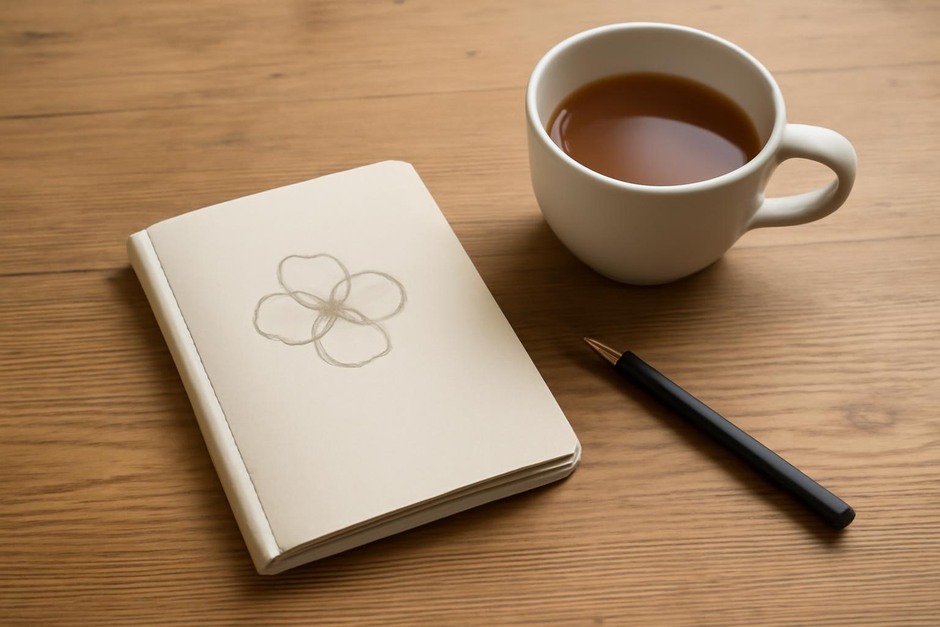
A bookmark with a few pencilled notes, a simple reading notebook, or a short list of finished titles gives the ritual a sense of continuity. The point is not to review every book formally. A sentence about what you liked, an image you want to remember, or a page number worth returning to is enough.
Over time, these small traces become a record of what held your attention in different seasons. The best reading ritual is not the one that produces the largest number. It is the one that makes books reliably available as a form of pleasure, thought and quiet company.