Paper, Pixel, or Card: Comparing Three Note‑Making Systems for Slow Creative Work
When you slow the pace of creative work, the question of how you capture ideas becomes less about convenience and more about relationship: the feel of a page, the rhythm of tapping, the tactility of a cut card. Each medium—paper notebook, digital tablet, or loose index card—brings a distinct material character and a set of methods that shape what you notice and how you return to it. Below are four ways to compare them without claiming one is universally better.
Material qualities: the sensory and physical differences
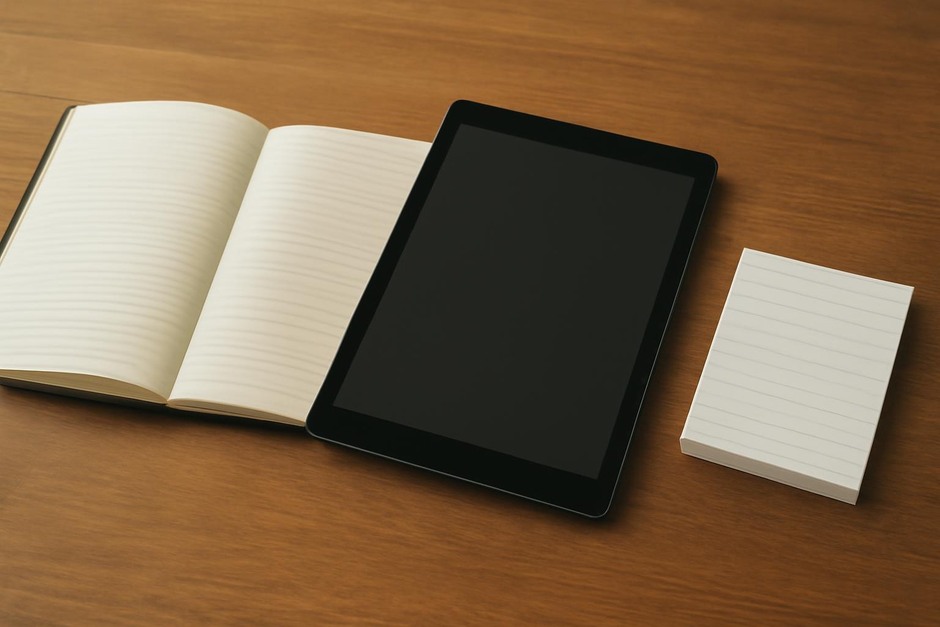
At its simplest, this is a comparison of felt surfaces. Paper responds with texture, weight, and a small resistance under a pen. A tablet offers a uniform plane, instant erasure, and ever-changing software behavior. Index cards are minimal: thick, portable slabs that invite discrete notes.
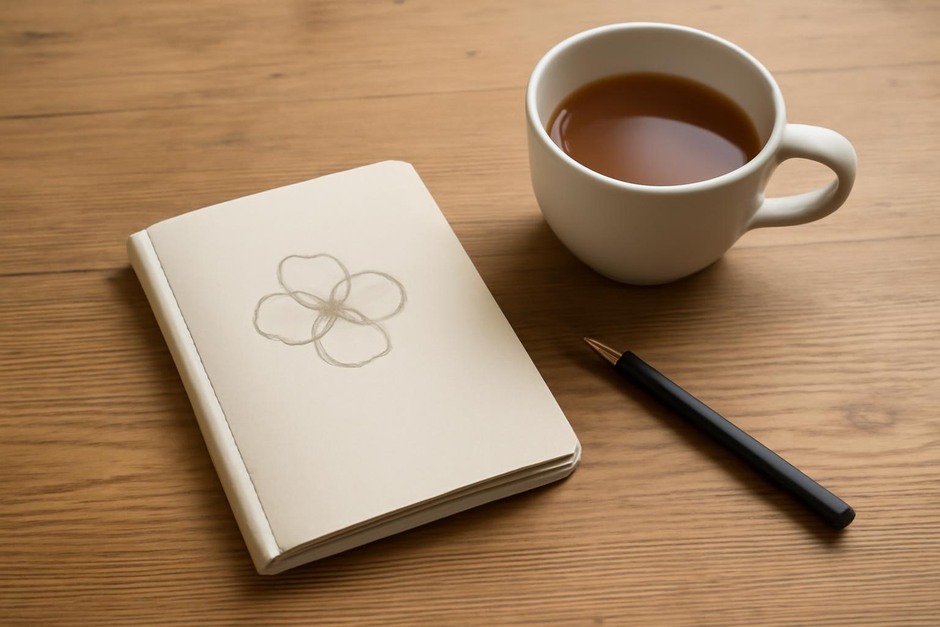
- Notebook (paper): Warm, forgiving, and finite. Ink and pencil leave a visible history. The material encourages continuity—pages are linked in sequence.
- Tablet (pixel): Clean, editable, and searchable. It reduces friction for revision and cross-referencing, but the hinterland of accidental deletions or cloud updates changes the relationship to permanence.
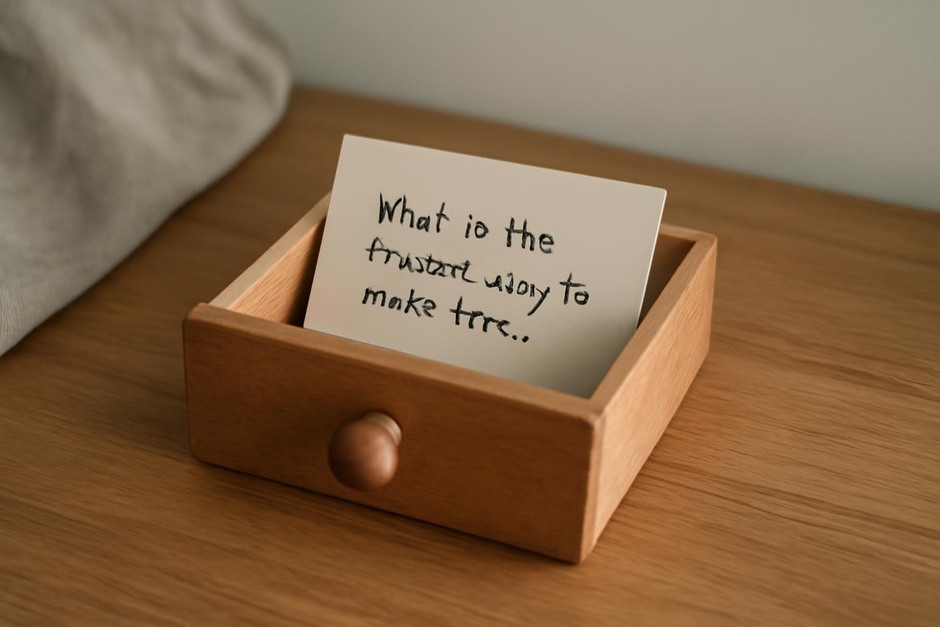
- Index card (card): Focused and fragmentary. Cards encourage atomic notes you can rearrange. The tactile heft makes each idea feel like a small object.
Methods in practice: capture, organize, retrieve
Materials suggest methods. The right process for you depends on whether you prioritize in-the-moment capture, later synthesis, or ease of retrieval.
Capture
- Notebook: Suited to uninterrupted sequences—morning pages, observational logs, extended sketches. Writing tends to be slower and more reflective.
- Tablet: Fast capture with multimedia—photos, voice clips, and typed notes. Useful when speed and variety matter.
- Index card: Ideal for single ideas or prompts. The constraint of one idea per card can increase clarity.
Organize and retrieve
- Notebook: Organization is chronological. Retrieval relies on your memory, marginalia, or a homemade index. The page suggests narrative continuity.
- Tablet: Search and tags make retrieval immediate. The cost is potential over-reliance on searching at the expense of re-reading.
- Index card: Physical sorting enables serendipitous recombinations. A card system invites deliberate reordering as a method of thinking.
Portability and ritual: how each fits daily life
Consider where and when you take notes. Portability changes how a medium becomes part of a routine.
- Notebook: From pocket-sized to large, notebooks support a tactile ritual—uncapping a pen, turning to a blank page. They ask for intentionality: you choose when to open them.
- Tablet: Always-on devices fit into many moments—waiting rooms, trains, walks with a voice memo. Their ubiquity can be liberating or distracting, depending on how you manage notifications.
- Index card: Easy to tuck into a pocket or a fieldfolio. Their simplicity keeps rituals small: pull a card, jot, and replace. Cards lend themselves to quick exercises—daily prompts, flash observations.
Long-term care and legacy: preservation, adaptability, and the archive
How a system ages matters for creative practice. Some people prefer visible accumulation; others prefer malleable archives.
- Notebook: A visible timeline forms as pages accumulate. Books can be shelved, revisited, and physically annotated. They age with patina—but they can also be bulky and harder to reorganize.
- Tablet: Notes are fluid and easily migrated between formats. Backups ensure preservation but also introduce dependency on software and formats. Long-term accessibility is contingent on file standards and account stability.
- Index card: Cards are modular and recombinable. A card archive can be rearranged into projects, shuffled for new pairings, or scanned for digital backup. The physical system scales differently than bound books.
Choosing a system also means deciding how much labor you want to spend on maintenance—indexing a notebook, tagging digital files, or filing cards into boxes. That labor is part of the method and influences whether the system supports or resists ongoing use.
Conclusion: picking by temperament and purpose
There is no single objectively superior choice because each medium privileges different qualities. If you value a tactile, continuous record and the quiet ritual of turning pages, a paper notebook fits. If speed, multimedia capture, and searchable archives matter most, a tablet is practical. If you want modular thinking and physical rearrangement, index cards offer a compelling method.
Consider trying each for a month-long experiment focused on one activity—morning observations, idea capture, or project planning—and note how the material prompts different behaviors. The comparison is less about winning and more about aligning the medium with the kind of attention you wish to cultivate.