A Quiet Sketchbook: A Step-by-Step Method for Observing Nature
Keeping a small sketchbook as a companion for outdoor observation encourages slow looking, quiet note-taking, and an honest record of what you notice. Below is a field-tested step-by-step method designed for simplicity: choose modest tools, make brief visits, and prioritize description over artistry. After the method you’ll find practical variations for different seasons and settings, and a troubleshooting section to address common frustrations.
Step-by-step method
-
Choose a pocket sketchbook and one reliable tool. A 5×7 or A6 spiral or bound notebook and a graphite pencil (HB or 2B) are enough. If you like color, add one small waterbrush and a paint pan. The goal is portability and repeatability.
-
Set an intention for ten minutes. Before you go outside, decide on a short span—ten to twenty minutes—for observation. Short, regular sessions form a habit and sharpen attention.
-
Choose a single focus. Rather than trying to record everything, pick one subject: a particular tree, a patch of ground, a bird feeder, a cloud. The narrower the focus, the richer the details you’ll notice.
-
Observe in three passes. Make three quick circuits of attention: first for overall shapes and gestures (what it looks like at a glance), second for details (bark texture, leaf veins, feather shape), third for context (light direction, nearby plants, weather). Use the first pass to place a light outline on the page.
-
Record with mixed modes. Combine a small sketch with short phrases and measurements. Note size by comparing to your hand or a known object (“leaf ~palm wide”). Write one sensory line—sound, scent, or touch—beside the drawing. This ties the visual to lived experience.
-
Use timed mark-making. Spend two minutes on a loose, blind contour sketch (looking at the subject more than the paper), then one minute of focused shading or ink lines. Timed exercises reduce perfectionism and keep the practice moving.
-
Label and date each entry. Include location, time of day, and weather. Over months these small metadata entries become a quiet archive of place and season.
-
Close with a single-sentence reflection. Write one sentence about what surprised you or what you want to look for next time. This small habit seeds curiosity for future visits.
Variations
Seasonal shifts
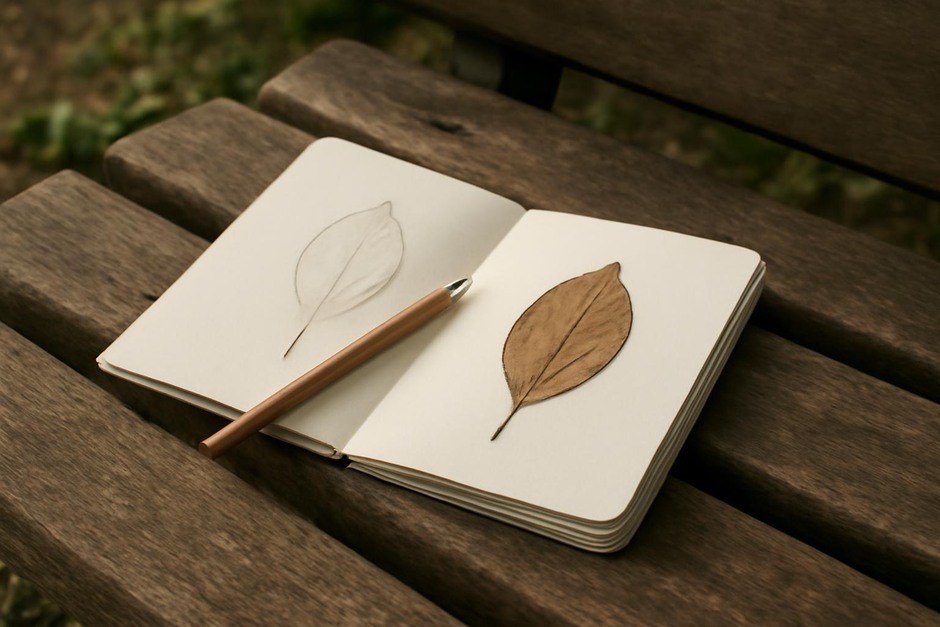
In spring, focus on buds and insect activity—try a daily five-minute leaf count on the same branch. In summer, practice color washes for flowers and distant foliage. In autumn, use the sketchbook to compare leaf shapes and colors; make a page that groups similar leaves. In winter, pay attention to branch architecture, bark patterns, and tracks in snow or mud.
Constraints to deepen attention
- One-line page: Limit yourself to a single drawing and one descriptive sentence.
- Monochrome week: Use only pencil or one colored pencil for seven days to notice value and texture.
- Sound map: Instead of drawing, mark sounds around you on a simple map of the place—where birds call, where water runs.
Indoor adaptations
If you can’t go outside, bring a small sample inside: a leaf, a feather, or a jar of soil. Observe it under a lamp, rotate it, and sketch the changing shadows. Pressed specimens can be revisited over months for comparison.
Troubleshooting
-
“I don’t draw well.” Replace expectation with curiosity. Try blind contour sketches and short timed marks—artistic quality is not the point. Many field records are lively because of observation, not polished linework.
-
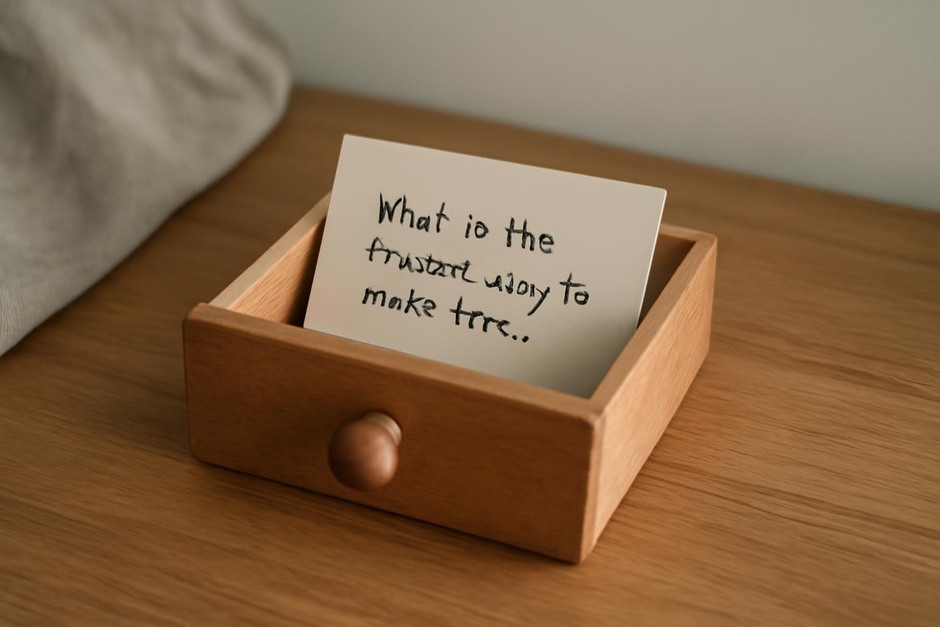
“I forget the sketchbook at home.” Keep a slim notebook in a frequently used bag or jacket pocket. Alternatively, use index cards; they’re portable, inexpensive, and can be glued into a bound book later.
-
“I don’t have time.”strong> Reduce the session to a single breath of attention: place your palm on a tree for thirty seconds and write one word. Small practices add up and preserve continuity without grand time commitments.
-
“I feel stuck in routine.”strong> Introduce a constraint or change the vantage point. Sit on the ground, stand on a small hill, or observe at a different hour to shift what you notice.
-
“My pages look the same.”strong> Compare entries over a month: add a small column noting insect activity, light angle, or nearby human presence. Over time patterns will reveal themselves and the sameness will become a record of seasonal rhythm.
Keeping a quiet sketchbook is less about producing finished images and more about training attention. Over weeks, the pages become a map of what you see and how your noticing changes. With simple tools and a short, repeatable method, the sketchbook becomes a companion for slow observation and steady curiosity.