Projects or Practices? Two Ways to Shape a Creative Life
Two ways people structure creative time
When we think about an intentional creative life there are two recurring patterns: one organizes around discrete projects with clear ends and deliverables; the other organizes around regular practices—short, repeatable acts that accumulate skill and pleasure over time. Both are useful. Comparing them closely helps make deliberate choices that fit the rhythms of a given week, season, or temperament.
Project-centered: clear arcs and visible outcomes
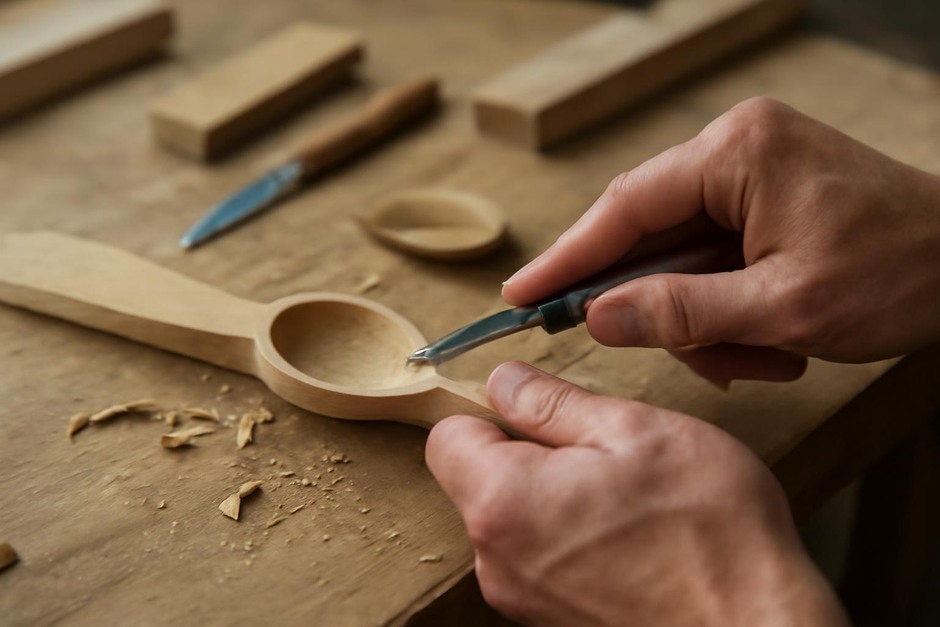
A project-centered approach treats creativity as a series of bounded endeavors: plan, execute, finish. Typical examples include making a bookshelf, producing a short story, preparing a small exhibition, or knitting a sweater from start to finish. The structure is chronological and outcome-oriented.
Principles and small examples:
- Scope and deadline: A chair to be built by the end of the month. The deadline clarifies choices—what joinery, what finish.
- Learning by necessity: New techniques are learned because the project requires them—sanding a curved surface, writing a specific scene.
- Motivation spikes: Progress is cemented by milestones—first dovetail, first chapter, first wearable swatch.
Strengths: generates tangible results, teaches project management, and supplies visible satisfaction. Considerations: projects can stall if life distracts you, and large projects may feel risky without small iteration.
Habit-centered: small, daily acts that compound
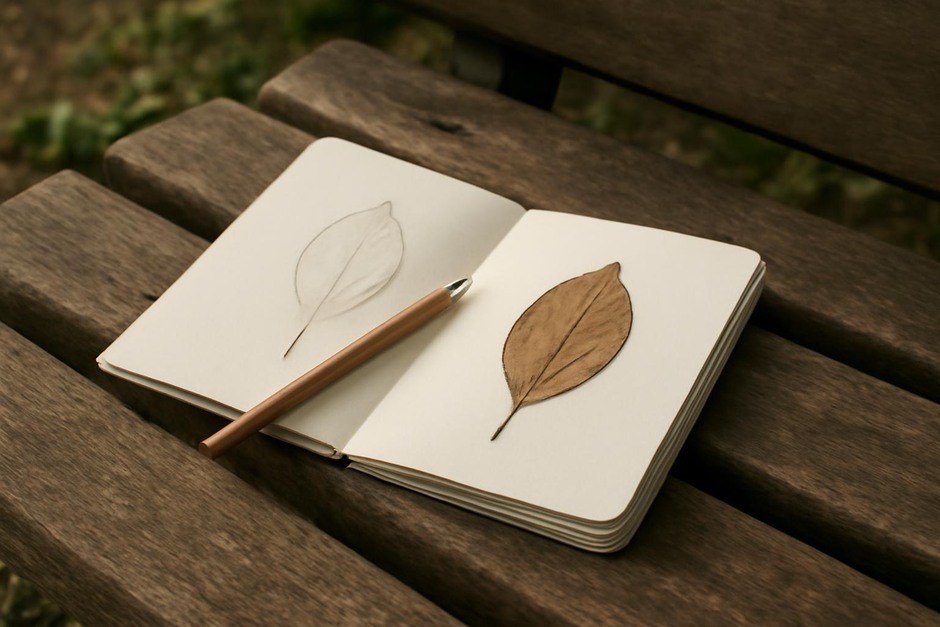
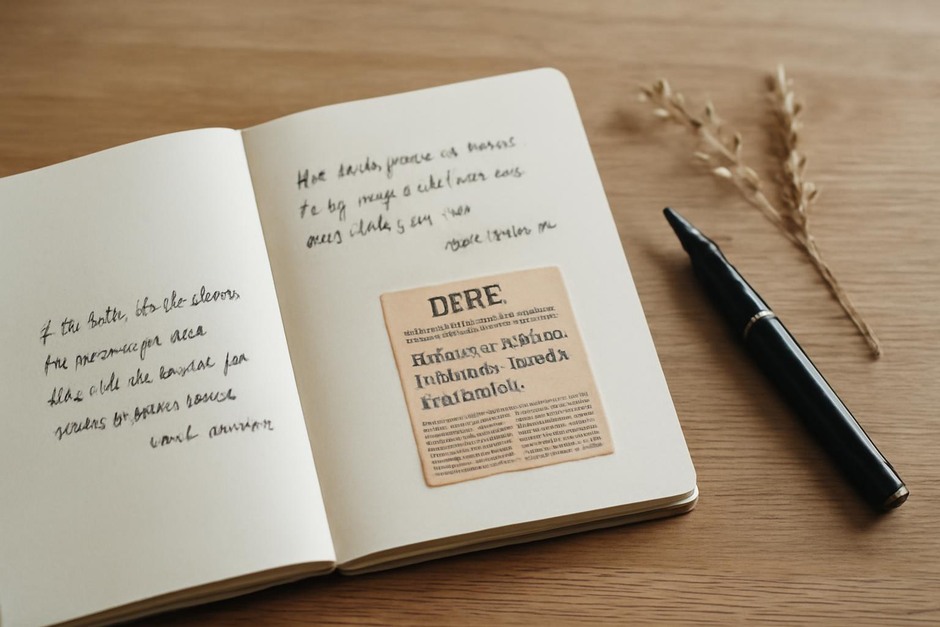
A habit-centered approach emphasizes repeatable rituals—short bouts of attention practiced frequently. Examples: a ten-minute morning sketch, a nightly paragraph in a commonplace, a weekly 30-minute walk to observe birds. The emphasis is on regular engagement rather than a product.
Principles and small examples:
- Short durations: Fifteen minutes of reading a difficult text each morning establishes comprehension without requiring a block of time.
- Low friction: Kits and habits are designed to be easy to start—tools kept ready on a windowsill, a pen at the bedstand.
- Skill accumulation: Small acts repeated become durable habits and lead to steady improvement—faster sketching, clearer notes, steadier carving strokes.
Strengths: resilient to interruptions, less daunting, and excellent for long-term development. Considerations: habits can feel aimless without occasional projects to test learning; they may lack the excitement of a visible completion.
Choosing between them (or learning to blend)
Rather than deciding once and for all, consider five practical questions that reveal which approach—or mixture—fits your current life.
- What is your available attention this season?
If you have concentrated blocks (a sabbatical, a long weekend), projects make sense; if your days are fragmented, habits will survive better.
- Do you need external accountability?
Projects often come with clear endpoints and external markers (exhibitions, deadlines) that motivate. Habits rely more on internal consistency and small triggers.
- Are you learning a new technique or deepening an existing one?
New techniques sometimes require a project to provide context. Once the basics are comfortable, shift toward habits to refine and maintain.
- How much visible progress do you need to stay engaged?
Some people thrive on frequent milestones; others are content with incremental, almost invisible changes. Match approach to temperament.
- How important is variety?
Projects let you explore different outcomes; habits build depth through repetition. If you easily grow bored, alternate short projects with steady daily practices.
Three practical ways to try a blend
- Micro-projects inside habits: Commit to a month-long micro-project—four small prints, a short essay—completed by doing a 20-minute habit session three times a week.
- Practice leading and projects testing: Keep a daily ten-minute sketch habit, then every three months set a project that uses those sketches as studies for a finished piece.
- Seasonal rhythm: Use the seasons to alternate: habits through busy months, projects in quieter seasons when slower attention is available.
Choosing between projects and practices is not a moral decision; it is a question of fit. The thoughtful aim is to notice what you want to learn, how much attention you can offer, and the forms of satisfaction that keep you returning. Try a small experiment—one week of focused habits, one concentrated mini-project—and let the results steer your next choice. In time both approaches can become companions: projects that give shape to the work, and practices that feed the skill and steadiness needed to complete them.