A Practical Commonplace Book: A Step-by-Step Method from Early Readers for Today’s Thinking
Long before digital bookmarks and citation apps, readers in the 16th–18th centuries carried small books into which they copied passages, recipes, observations, and aphorisms. These “commonplace” books were both repositories and tools: a way to remember, to think with, and to synthesize across reading, craft, and everyday life. Below is a practical, modern-friendly method inspired by that older habit—designed to turn scattered notes into material you can actually use.
Step-by-step method
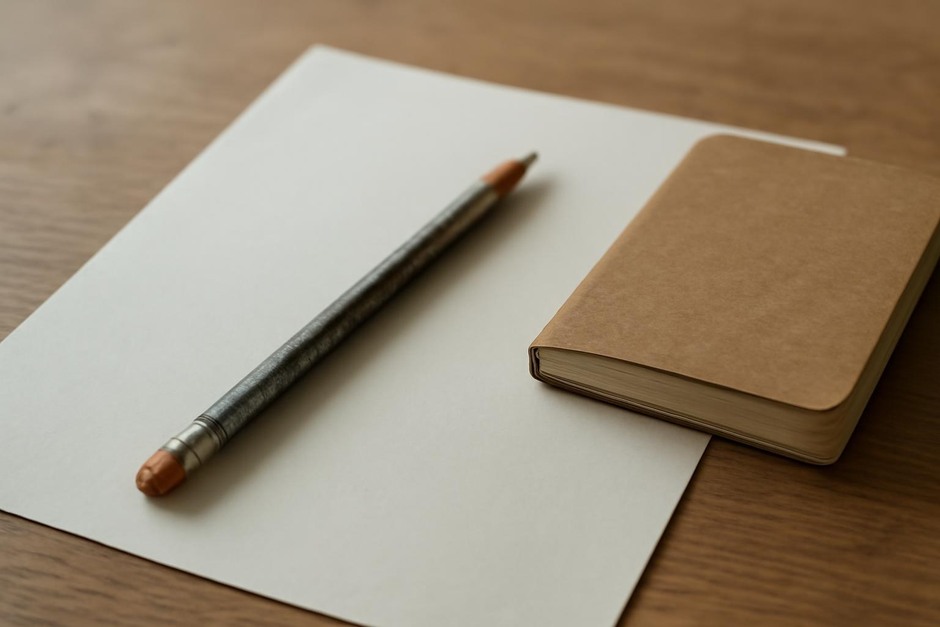
- Choose your vessel. Select a notebook or app you can commit to for at least several months. For a tactile practice, pick a pocket-size notebook or a bound journal; for searchable text, choose a simple notes app with good tagging. Consistency matters more than perfection.
- Reserve a single place for entries. Decide whether each item (quote, idea, observation) becomes its own entry or whether you’ll batch items by source or day. A single-entry approach—one thought per line or page—makes later retrieval easier.
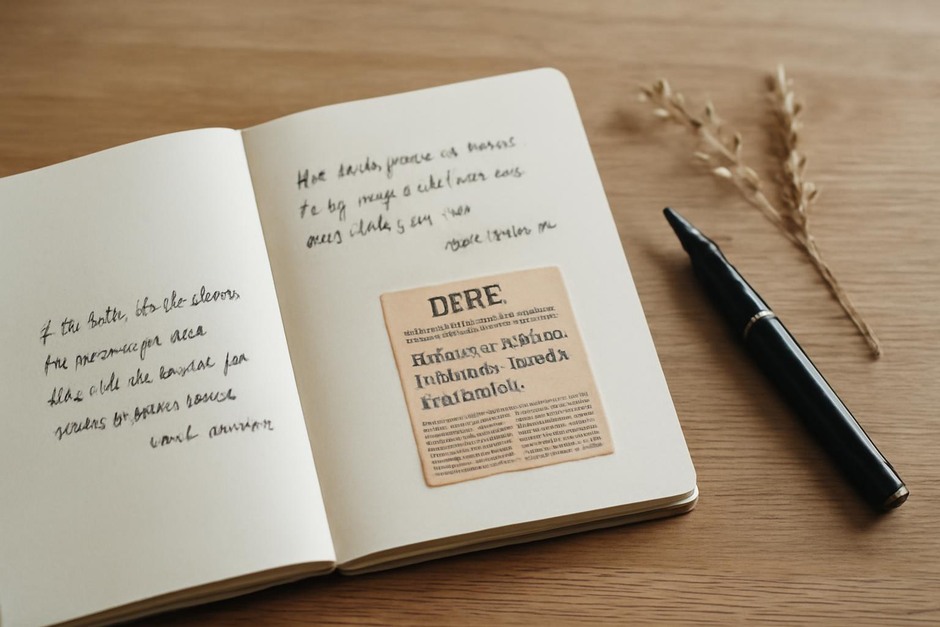
- Record context along with the excerpt. Whenever you copy a passage, note the source, date, and one short phrase about why it mattered to you. That context transforms a clipped sentence into usable material later.
- Be selective and short. Rather than transcribing long passages, extract the sentence or phrase that sparks thought. If you must keep more, summarize in your own words. The goal is to create prompts and raw material, not a faithful archive.
- Create a simple index or tagging system. On the first pages of a notebook, leave space for a running index: write the page number and a few keywords for each entry. In digital systems, use two to four consistent tags and a brief title for each note. The index ties entries together and makes retrieval practical.
- Cross-reference actively. When one entry relates to another, note the other page numbers or add a tag that links them. Over time these links build threads you can follow when you want to write or pursue a project.
- Review weekly. Spend ten to twenty minutes each week flipping through recent entries. Add marginalia, star items you want to revisit, and move promising fragments to a “to-develop” section. Regular review turns passive storage into active thinking.
- Use the material. When you draft an essay, plan a craft project, or design a lesson, scan your index or tags first. Pull together related entries and treat them as source material—then synthesize rather than quoting at length.
Variations
Digital-first commonplace
Use a plain-text app or note manager with tags and search. Save longer source details in a consistent metadata block (author, title, page, URL) and rely on search rather than a manual index. Export to plain text occasionally to remain portable.
Pocket-size analog
Keep a small notebook for immediate capture and a larger bound commonplace for organized entries. Transcribe weekly from the pocketbook into the bound volume, adding index references as you go. This keeps capture instinctive and reflection deliberate.
Themed commonplaces
Create separate books for different concerns: one for gardening observations, one for reading and quotation, one for workshop notes. Themed books reduce noise when you’re working on a particular project.
Visual or hybrid commonplace
Include sketches, clipped images, or material samples (thin plant specimens, fabric swatches). Use a numbered system so non-textual items are referenced in the index by number rather than page alone.
Troubleshooting
- Problem: It becomes a diary instead of a repository. Solution: Re-establish criteria for entries—only excerpts, ideas, or observations that can be reused. Keep day-to-day notes in a separate journal.
- Problem: Indexing feels tedious. Solution: Simplify. Use a short list of tags and add an index entry only for items you might actually reuse. A pruned, consistent index is better than an exhaustive one you never maintain.
- Problem: You capture everything but never review. Solution: Tie review to an existing habit—your Sunday tea, a commute, or a monthly tidy-up. Put a conspicuous reminder on the first page of each month to prompt the review ritual.
- Problem: Notes are too cryptic to understand later. Solution: Add one sentence of context whenever you write an entry: why it mattered, how you found it, or what it reminded you of. Future-you will thank present-you.
- Problem: Digital clutter and duplication. Solution: Periodically consolidate: export, deduplicate, and pare down. Make a monthly sweep to merge similar notes and delete those you no longer need.
The commonplace book is at once a tool and a habit: modest in its parts and generous in what it yields. Start small—one notebook and one tag—and let the system grow through use. Over time the collected fragments will reveal patterns, questions, and projects you wouldn’t have noticed otherwise.